


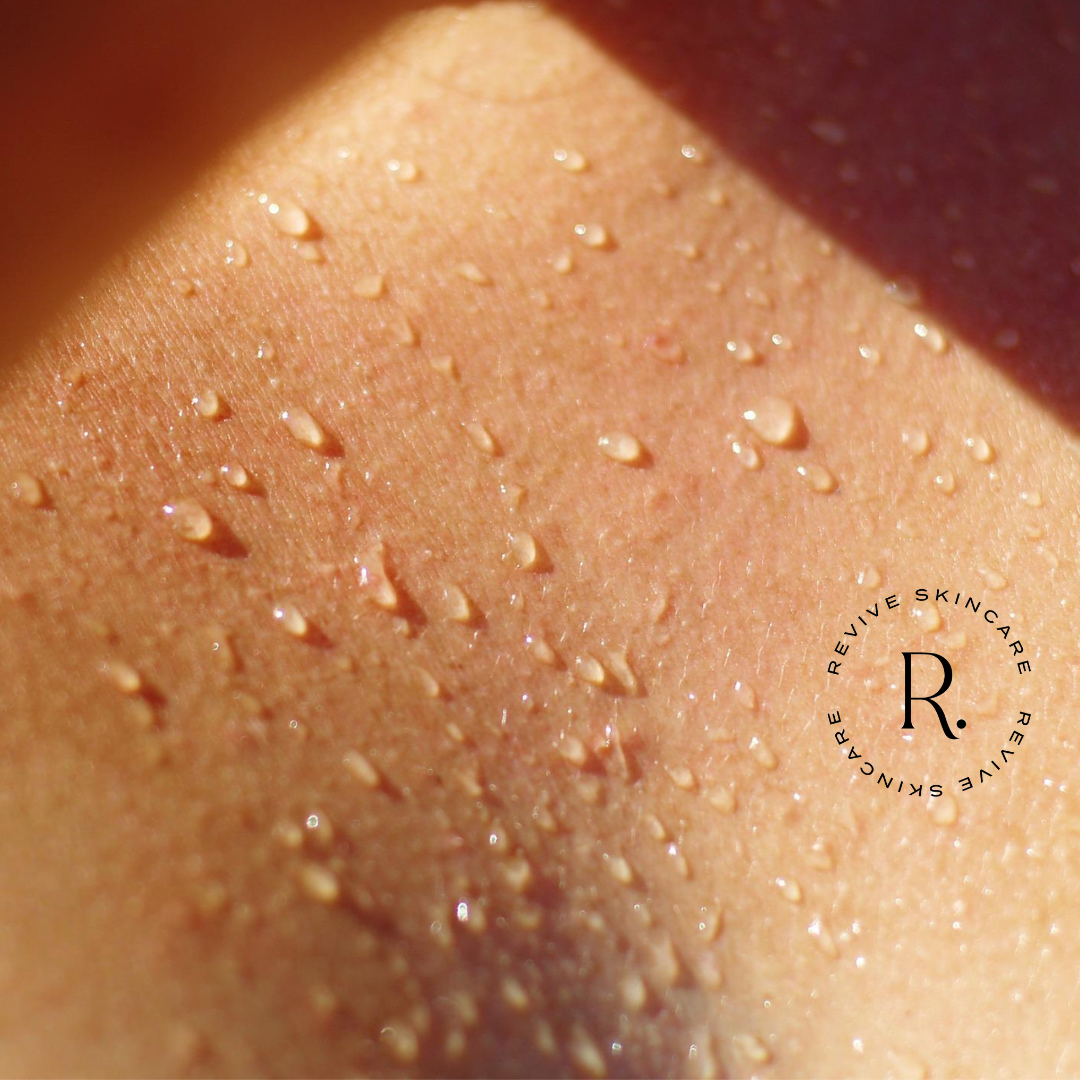
People with the medical condition hyperhidrosis often experience sweating beyond what’s typical, regardless of the season. During warmer months, symptoms may feel more noticeable due to heat, odour, and visible sweat.
Hyperhidrosis is a condition involving excessive sweating. When regular antiperspirants are not effective, a physician may discuss additional treatment options, which can include prescription therapies such as neuromodulator injections. Neuromodulator injections are approved by Health Canada for the treatment of excessive underarm sweating.
Neuromodulators are widely known for cosmetic uses, such as softening the appearance of fine lines, but they are also used for certain medical indications. In the context of hyperhidrosis, they work by temporarily reducing the nerve signals that activate sweat glands.

Common treatment areas include:
- Underarms
- Palms
- Soles of the feet

Treatment is performed in clinic by a trained injector (Montana Brown, LPN) under the direction of the clinic’s physicians. A topical numbing cream may be applied, and injections are administered using very small needles. Individual experiences with comfort and sensation can vary.
Results are temporary and typically last an average of 6–9 months, with some individuals experiencing effects for up to 12 months. Duration varies by individual, and suitability for treatment is determined through consultation.
Revive Skincare is registered with the Botox® Access Program, which may allow eligible patients to seek reimbursement for prescription treatment through extended health benefits. Coverage varies by plan. Our team can assist with required documentation; benefit eligibility and any out-of-pocket costs should be confirmed directly with your provider.
Additional information about the Botox Access program is available through the manufacturer’s website at: www.sweatless.ca
This post is for general information only and does not replace medical or professional advice. Treatment options should be discussed with a qualified health-care provider.


