


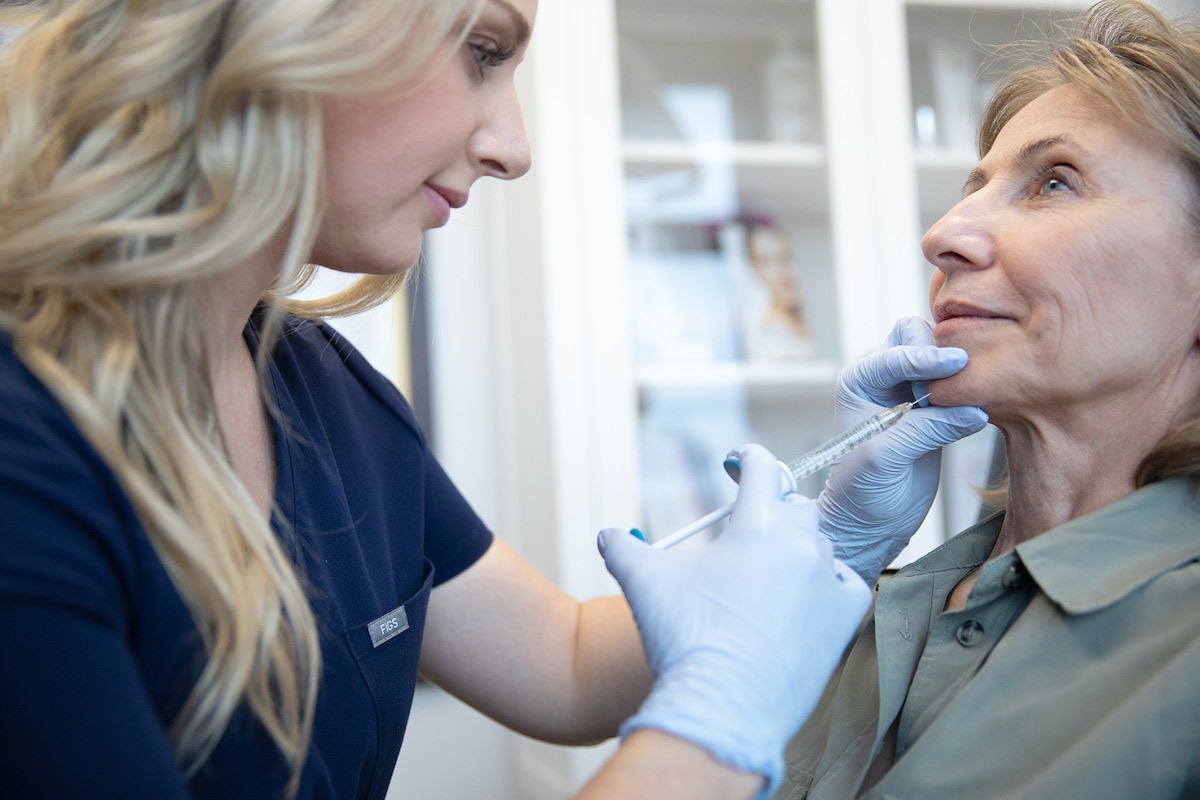
Hyaluronic acid (HA) dermal fillers are temporary treatments, and it’s common to have questions about aftercare and what factors may influence how long they last. This post shares general information that is often discussed following treatment.
HA dermal fillers are commonly used to address areas such as the lips, cheeks, or chin. Hyaluronic acid is a substance naturally found in the body, and its production can decrease over time. HA-based fillers are designed to temporarily add volume or structure in targeted areas, depending on individual goals and treatment planning.
Like all dermal fillers, hyaluronic acid (HA) fillers are temporary. Over time, the body gradually breaks them down. Below are some general considerations that are commonly discussed after treatment.

1. Avoid excessive pressure on the treated area
This includes sleep position (sleep on your back whenever possible), tight fitting accessories (think ski goggles) and face down appointments (like massages). We wouldn’t want to impair your results in any way as the filler settles into place.
2. For lip treatments
After lip filler treatment, providers often recommend temporarily avoiding activities that place repeated pressure on the lips, such as using straws or smoking. This is commonly discussed to allow the treated area time to settle. Your provider may also advise avoiding very hot beverages for a short period, as heat can increase blood flow and sensitivity in the area. Specific guidance can vary based on individual treatment and should be followed as advised during your appointment.
3. Stay hydrated
Hyaluronic acid is known for its ability to bind water, which is why hydration is often discussed as part of overall skin health. Drinking adequate fluids supports the skin’s normal function and may help maintain the appearance of hydrated skin. While hydration alone does not determine how long a dermal filler lasts, it is commonly encouraged as part of general aftercare and skin care routines.
4. Support overall skin health
Maintaining a consistent skincare routine is often discussed as part of general skin health. Using products appropriate for your skin type, such as those available through professional skincare lines like AlumierMD, may help support the skin’s barrier and overall condition. Protecting the skin from excessive sun exposure and being mindful of lifestyle factors such as stress, smoking, and environmental exposure can also play a role in skin health over time.
5. Maintenance planning
Some individuals choose to schedule follow-up appointments to reassess their treatment plan over time. In certain cases, providers may also discuss whether other treatments, such as neuromodulator injections, could complement overall aesthetic goals by addressing muscle movement in nearby areas. Any maintenance or combination approach is individualized and should be reviewed during consultation.
It’s important to note that many factors influence how long dermal fillers last, including metabolism, the type and amount of filler used, and the area treated. Your provider can review these factors with you during a consultation and help set realistic expectations.
Take care,
Montana Brown, LPN
At Revive, we take a patient-centred approach to skin care and aftercare.
This post is for general information only and does not replace medical or professional advice. Treatment options and aftercare should be discussed during a consultation.


