


Vitamin C is an antioxidant that occurs naturally in the body and plays a role in skin health. It is also commonly found in fruits and vegetables, which leads many people to wonder whether topical application offers any additional benefit compared to dietary intake alone.
This post outlines several reasons why topical vitamin C is often discussed as part of a skincare routine, and what is typically considered when choosing a formulation.
1. Skin delivery differs from oral intake
Vitamin C taken orally is absorbed through the digestive system, and only a portion reaches the skin. Topical formulations are designed to deliver vitamin C directly to the skin’s surface, where it can be incorporated into daily skincare routines.
Because vitamin C is a water-soluble molecule with a relatively low molecular weight, certain topical formulations are designed to penetrate the upper layers of the skin. Product quality, formulation, and stability play an important role in how well a topical vitamin C performs.
2. Antioxidant support for sun-exposed skin
Topical antioxidants, including vitamin C, are often discussed alongside sunscreen use. Sunscreens are designed to protect the skin from UV radiation, while antioxidants may help address free radicals generated by environmental exposure.
For this reason, antioxidant serums are commonly incorporated into morning skincare routines in combination with sun protection, though they are not a substitute for sunscreen.
3. Supporting a more even-looking skin tone
Vitamin C is frequently included in skincare products designed to support brightness and overall skin tone. It is often discussed as part of a broader approach to managing the appearance of uneven pigmentation, including conditions such as post-inflammatory hyperpigmentation or melasma.
Responses to topical vitamin C vary, and no single ingredient works the same way for everyone. Management of pigmentation concerns is individualized and often focuses on long-term care, sun protection, and consistency.
4. Antioxidant support over time
Vitamin C is involved in processes related to collagen support and overall skin function. Topical antioxidant products are commonly used as part of routines aimed at addressing visible signs of skin aging associated with environmental stressors such as UV exposure and pollution.
Because vitamin C can oxidize when exposed to air and light, formulation and packaging are important. Changes in colour or consistency may indicate reduced potency.
Choosing a topical vitamin C product
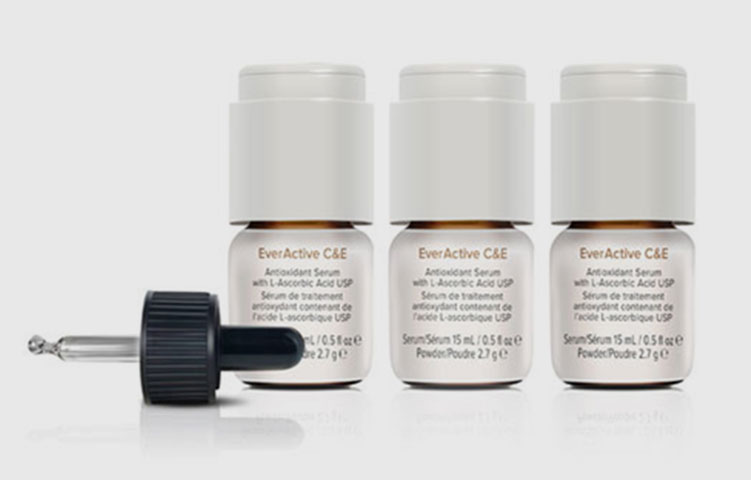
Professional skincare lines such as AlumierMD offer vitamin C formulations designed to address stability and freshness. For example, some products keep vitamin C separate until activation to help reduce oxidation over time.
Product choice, concentration, and frequency of use should be based on individual skin type, tolerance, and goals, and are best discussed during consultation.
Important notes
Topical vitamin C is not suitable for everyone, and individual response varies. Skincare ingredients should be introduced thoughtfully, particularly for those with sensitive skin or underlying skin conditions.
This post is for general information only and does not replace medical or professional advice. Skincare products and routines should be discussed with a qualified provider to determine what may be appropriate for you.


