


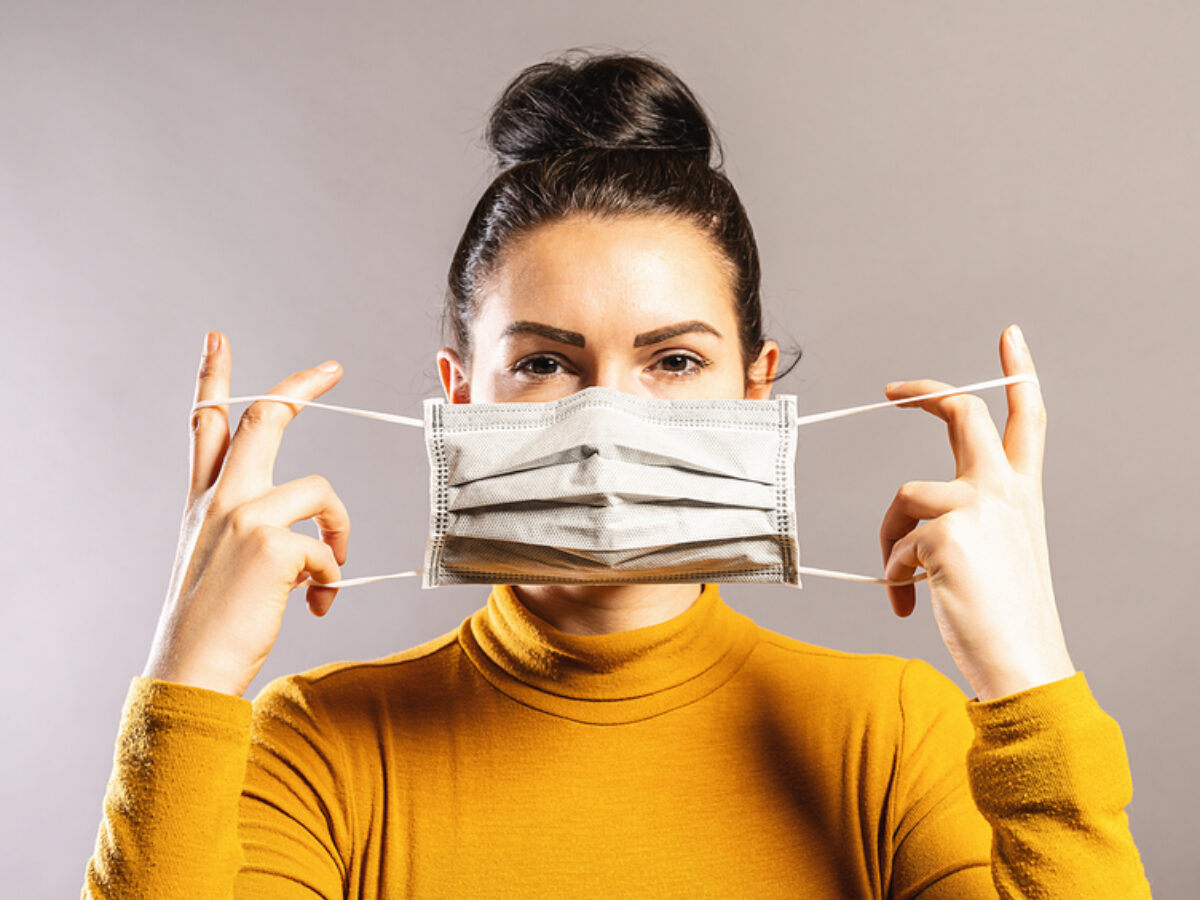
“Maskne” is a term commonly used to describe acne or skin congestion that can develop in areas covered by a face mask.
Working in health care, I spend many hours a day wearing a mask. Over time, I noticed changes in my own skin, including more frequent breakouts, despite no major changes to diet, lifestyle, or skincare products. Many people experienced similar concerns during periods of prolonged mask use.
Masks can create a warm, humid environment against the skin, which may contribute to congestion or irritation for some individuals. Stress and changes in routine can also play a role.
With more people asking about breakouts related to mask use, here are some general skincare considerations to consider.
Step 1: Gentle, consistent cleansing
Cleansing the skin morning and night can help remove sweat, makeup, and debris that may build up under a mask.
Choosing a cleanser that suits your skin type is important:
- Dry or sensitive skin: gentler, hydrating cleansers are often discussed to help avoid over-stripping the skin
- Normal to oily or congested skin: gel-based or clarifying cleansers may be considered, depending on skin tolerance
Professional skincare lines such as AlumierMD offer a range of cleansers formulated for different skin needs. Examples commonly discussed include Hydraboost, Sensicalm Cleanser, Purifying Gel Cleanser, and Acne Clarifying Cleanser.


Step 2: Thoughtful exfoliation
Chemical exfoliation is often discussed as a way to help remove excess oil and dead skin cells and support regular skin turnover. This differs from physical exfoliation, which relies on manual scrubbing.
Some people alternate exfoliating products, such as retinol-based formulas and alpha hydroxy acids (AHAs), depending on skin tolerance. Product choice and use are individualized, as over-exfoliation can worsen irritation or breakouts.
Physical exfoliants can be part of a skincare routine when used thoughtfully. Gentler formulas, such as spherical-bead exfoliants found in products like AlumierMD Lotus Scrub, are often discussed to help support the skin barrier, particularly for skin that may be prone to irritation or breakouts.
Examples of chemical exfoliation products sometimes reviewed during consultation include retinol-based formulas and AHA products available through professional skincare lines, such as AlumierMD.


Step 3: Sunscreen selection
Daily sun protection is an important part of any skincare routine. For acne-prone or sensitive skin, some individuals prefer mineral (physical) sunscreens, which sit on the surface of the skin rather than absorbing into it. The most appropriate option depends on skin type and personal preference.
Professional skincare lines such as AlumierMD offer a range of sunscreen options that are often discussed during consultation.


Additional considerations
Regularly washing reusable masks, changing pillowcases, cleaning items that come into contact with the face (such as phones), and keeping hair away from the face are also commonly discussed hygiene measures when managing breakouts.
This post is for general information only and does not replace medical or professional advice. Skincare products and routines should be discussed during a consultation.


